

Has your home started smelling every time the air conditioner kicks on? That distinct, musty odor is your HVAC system’s way of asking for help. While it’s easy to mask the smell with candles or air fresheners, the real cause is often mold growing inside your ductwork or on your AC coils. Ignoring it won't make it go away; it will only help it spread. Don’t worry, we can help you understand why this happens and what you need to do to get rid of the smell (and the mold) for good.
Where Mold Hides in Your System
Mold is an opportunist that looks for the dampest, darkest corners of your HVAC unit. Its main breeding ground is usually the evaporator coil and the condensate drain pan, because they are constantly wet from condensation during the cooling process. However, the problem will often spread beyond the main unit. Mold will often live in ductwork, specifically in areas where the insulation is torn or where leaks allow humid attic air to mix with cold air, creating moisture on the duct walls. Even your vents, registers, and air filters can become hosts to dust, mold’s favorite food source, if it accumulates in a humid environment.

How Mold Grows
Your HVAC system creates the perfect ecosystem for mold by combining three main elements: moisture, food, and darkness. While mold spores are microscopic and naturally present in almost all air, they remain dormant until they land on a wet surface. In an AC system, the cooling process naturally creates condensation on the evaporator coils and inside the drain pan. If dust and dirt are allowed to sneak past your air filter, they will land on these damp surfaces and provide the food that the spores need to feed on. Once a spore lands on a wet, dust-covered surface in the dark interior of your system, it can thrive and begin to multiply within as little as 24 to 48 hours. Eventually, it will release new spores into the air and start the cycle all over again.

Preventing Mold Growth
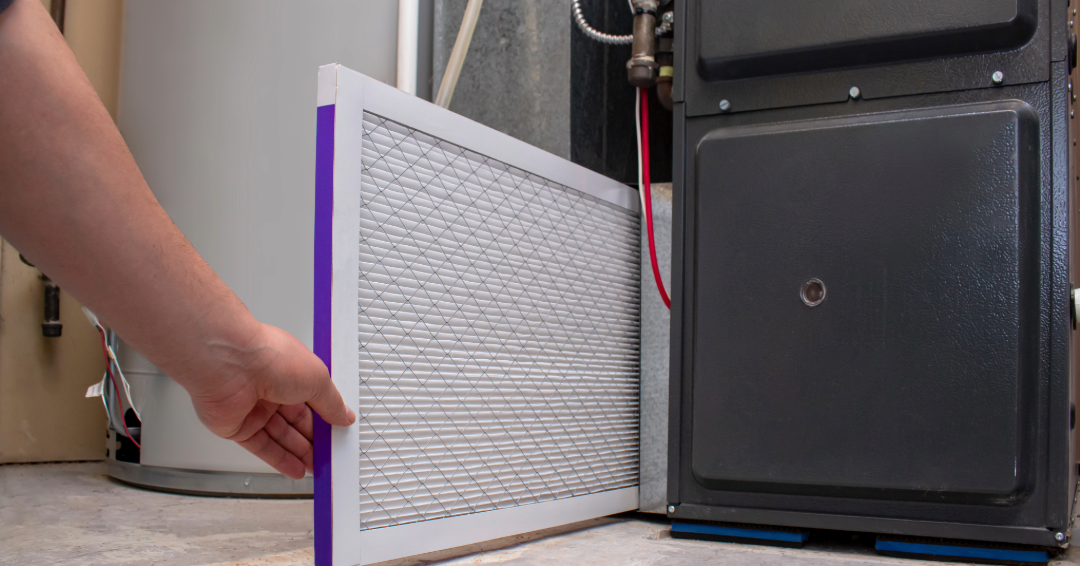
The key to preventing mold in your HVAC system is by controlling two things: moisture and dust. You should start by keeping your home’s humidity below 50% and by regularly checking your condensate drain line to make sure that water isn't pooling in the drip pan. You should also starve potential mold colonies of their food source by changing your air filters every 1 to 3 months. A clogged air filter allows dust to accumulate on damp coils, feeding the mold. To get even more protection, consider sealing any leaks in your ductwork to prevent the humid attic air from entering the system. You can also consider installing a UV-C light sanitizer to kill airborne spores before they have a chance to land and grow.
Professional Help
While there is plenty you can do as a homeowner to discourage mold growth, nothing beats the eye of a professional. If you think your system has already been compromised, or if it has been years since your last deep clean, it may be time to call in an expert. A seasonal tune-up is the best insurance policy against moisture problems. Protect your investment and your health by scheduling an inspection, and let the pros handle the dirty work for you.